Types of Health Tracking Wearables: A Complete Guide for Nigerians
Estimated Reading Time: 10 Minutes
Editorial Note
This guide was prepared by the ELEXBIG™ Editorial Team after reviewing manufacturer information, health technology developments, consumer experiences, and current wearable trends. Health tracking wearables are designed to support wellness and fitness. They are not medical devices unless specifically certified for medical use and should not replace advice from qualified healthcare professionals.
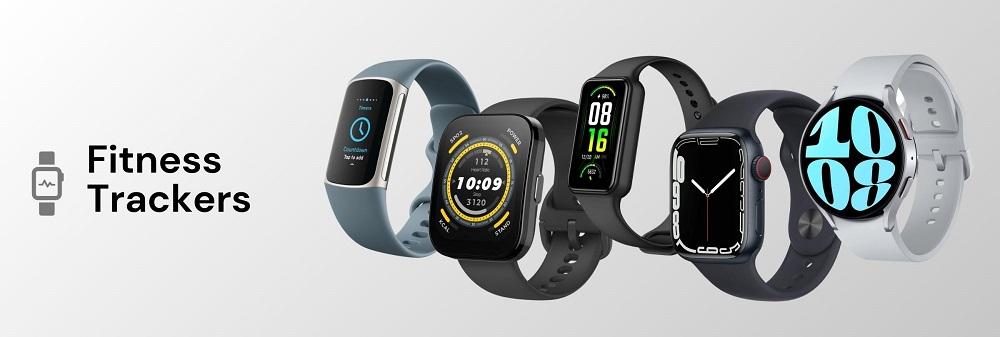
A few years ago, wearing a smartwatch was mostly about answering calls or checking notifications.
Today, it's something completely different.
Your watch can remind you to stand up after sitting too long in Lagos traffic, track your sleep after a noisy night, monitor your heart rate during your morning walk, count your daily steps around the market, and even alert you when your stress levels appear to be rising.
Health tracking wearables have quietly become personal health companions.
But here's where many Nigerians get confused.
Walk into any gadget store or browse online and you'll see dozens of options:
- Smartwatches
- Fitness bands
- Smart rings
- ECG monitors
- Blood pressure monitors
- GPS sports watches
- Smart scales
- Sleep trackers
Some cost less than ₦40,000.
Others cost well over ₦1 million.
So, which one do you actually need?
More importantly...
Are they worth buying, or are they just expensive gadgets that end up inside a drawer after a few weeks?
This guide answers those questions from a Nigerian perspective—not just by listing features, but by showing how these devices fit into real everyday life.
Why More Nigerians Are Buying Health Wearables
One interesting thing has happened over the last few years.
People aren't waiting until they become sick before paying attention to their health.
Instead, they're becoming proactive.
Whether it's a young professional working remotely, a university student trying to stay active, or a parent managing a busy schedule, many Nigerians now want simple ways to understand their daily habits.
Questions like:
- Am I sleeping enough?
- Why do I always feel tired?
- Am I walking enough?
- Is my heart rate normal during exercise?
- How active am I during the day?
Health wearables provide answers that would have been difficult to measure just a few years ago.
They're Not Just for Fitness Lovers
One common misconception is that these devices are only useful if you're a gym enthusiast.
That's no longer true.
Think about everyday Nigerian life.
You might spend:
- Hours sitting behind a computer.
- Long periods in traffic.
- Busy days moving around your business.
- Evenings trying to squeeze in a quick walk.
A wearable doesn't judge you.
It simply gives you data.
Sometimes, seeing that you've only taken 1,500 steps all day is the motivation you need to take a short evening walk.
Understanding the Different Types of Wearables
Not all health wearables are the same.
Each one serves a different purpose.
Here's a quick overview.
| Wearable Type | Best For |
|---|---|
| Smartwatch | Everyday health tracking and notifications |
| Fitness Band | Basic activity and step tracking |
| Smart Ring | Discreet wellness monitoring |
| GPS Sports Watch | Running, cycling and outdoor sports |
| Smart Scale | Body composition and weight tracking |
| Heart Rate Monitor | Exercise accuracy |
| Blood Pressure Monitor | Home monitoring (where appropriate) |
| Sleep Tracker | Better sleep insights |
Let's look at them one by one.
1. Smartwatches
This is the wearable most people recognize.
Devices such as the Apple Watch, Samsung Galaxy Watch, Google Pixel Watch, Huawei Watch, Amazfit, Garmin, and many others combine health tracking with everyday smartphone features.
Most modern smartwatches can monitor:
- Daily steps
- Heart rate
- Calories burned
- Sleep
- Stress levels
- Blood oxygen (on supported models)
- Workouts
- GPS routes
Some also allow you to:
- Answer calls
- Read WhatsApp messages
- Control music
- Make contactless payments in supported regions
- Receive calendar reminders
For many Nigerians, a smartwatch is the best all-round choice because it combines health features with everyday convenience.
Real-Life Example
Imagine you're a banker in Abuja.
Most of your day is spent sitting.
By 6 p.m., your watch tells you:
"You've only walked 2,300 steps today."
Without that reminder, you might head straight home.
Instead, you decide to take a 25-minute walk around your estate.
Small daily decisions like this often make a bigger difference than one intense gym session every month.
2. Fitness Bands
Fitness bands were among the first affordable health trackers to become popular.
They're smaller than smartwatches and usually focus on essential features such as:
- Step counting
- Calories
- Heart rate
- Sleep tracking
- Exercise modes
Popular examples include devices from Xiaomi, Huawei, and Honor.
Their biggest advantage?
Battery life.
Some models can last well over a week on a single charge.
That's particularly useful in places where power outages are common.
Who Should Buy a Fitness Band?
A fitness band is ideal if you:
- Are buying your first wearable.
- Mainly want to count steps.
- Need long battery life.
- Have a limited budget.
- Don't need advanced apps or phone features.
3. Smart Rings
This is one of the newest categories of wearable technology.
Instead of wearing a watch, you wear a lightweight ring.
Inside that tiny ring are sensors capable of tracking:
- Sleep quality
- Heart rate
- Recovery
- Body temperature trends
- Daily activity
Many people prefer smart rings because they don't like sleeping with a bulky watch.
Others simply enjoy the minimalist design.
Why Smart Rings Are Becoming Popular
Think about someone who works in corporate Lagos.
A smartwatch may not always suit formal meetings.
A smart ring is almost invisible.
Yet it continues collecting health information throughout the day and night.
It's an interesting option for people who value comfort as much as technology.
4. GPS Sports Watches
These are built for serious outdoor activities.
They're especially useful for:
- Long-distance runners
- Cyclists
- Hikers
- Marathon participants
- Adventure enthusiasts
Unlike regular smartwatches, sports watches prioritize:
- GPS accuracy
- Endurance
- Battery life
- Outdoor navigation
- Performance metrics
Many can operate for several days—or even weeks—depending on usage.
Do Most Nigerians Need One?
Probably not.
Unless you regularly participate in endurance sports, a standard smartwatch will usually provide more than enough features.
One Mistake Many Buyers Make
People often buy the most expensive wearable assuming it automatically means better health.
It doesn't.
A ₦50,000 fitness band that you wear every single day is likely to improve your habits more than a ₦900,000 smartwatch sitting inside a drawer because it's too bulky or you're afraid of scratching it.
The best wearable is the one you'll actually use consistently.
Health Tracking Isn't About Perfection
One thing wearable companies rarely say in their adverts is this:
No one has a perfect health score every day.
You'll have days when:
- You barely sleep.
- You skip exercise.
- You eat late.
- You forget to drink enough water.
That's normal.
The real value of wearable technology isn't chasing perfection.
It's helping you notice patterns over weeks and months so you can make small, sustainable improvements.
5. Smart Scales
Many people think weighing themselves is enough.
It isn't.
Your body weight is only one part of your overall health.
Modern smart scales measure much more than kilograms.
Some can estimate:
- Body fat percentage
- Muscle mass
- Bone mass
- Water percentage
- Body Mass Index (BMI)
- Basal Metabolic Rate (BMR)
The information syncs with your smartphone, allowing you to track progress over weeks or months.
Why Nigerians Shouldn't Obsess Over Weight Alone
Imagine two friends.
Both weigh 80kg.
One exercises regularly.
The other rarely leaves the sofa.
Although their weight is the same, their body composition may be very different.
That's why relying on weight alone can sometimes give a misleading picture.
A smart scale helps you focus on trends rather than a single number.
6. Heart Rate Monitors
Nearly every modern smartwatch includes heart rate monitoring.
But dedicated heart rate monitors still have an important place.
They're especially popular among:
- Professional athletes
- Cyclists
- Marathon runners
- Personal trainers
- Gym enthusiasts
Chest strap monitors generally provide more consistent readings during intense exercise than wrist-based sensors.
For everyday users, however, the heart rate sensor on a quality smartwatch is usually sufficient.
Why Heart Rate Matters
Your heart rate can tell you a lot about your body.
It helps you understand:
- Exercise intensity
- Recovery after workouts
- Resting heart rate trends
- Overall fitness improvements over time
For example, if your resting heart rate gradually decreases after months of regular exercise, it may indicate improved cardiovascular fitness.
Remember, wearable readings should not replace professional medical advice.
7. Blood Pressure Wearables
Blood pressure is a growing concern in Nigeria.
Many adults only discover they have high blood pressure after experiencing symptoms—or during a routine medical check-up.
This has increased interest in blood pressure wearables.
However, here's something many adverts don't explain clearly.
Not All Smartwatches Measure Blood Pressure
Some smartwatches estimate blood pressure using sensors and algorithms, but many require regular calibration with a traditional blood pressure cuff.
Others don't measure blood pressure at all.
If you have hypertension or another medical condition, always follow your healthcare provider's advice and use clinically validated equipment where recommended.
8. ECG Wearables
Electrocardiogram (ECG) features have become one of the biggest selling points for premium smartwatches.
Supported devices can record a single-lead ECG, which may help identify certain irregular heart rhythms.
This feature can be useful for sharing information with a healthcare professional if advised.
It's important to understand that these watches do not diagnose heart disease.
They are designed to provide additional health information—not replace hospital equipment or medical examinations.
Can a Smartwatch Detect a Heart Attack?
This is one of the biggest myths on social media.
The answer is:
No.
A smartwatch cannot reliably diagnose a heart attack.
Some devices may detect irregular heart rhythms or notify you of unusual heart rate patterns, but they cannot confirm or rule out a heart attack.
If you experience chest pain, difficulty breathing, or other emergency symptoms, seek immediate medical attention rather than relying on a wearable device.
9. Sleep Trackers
Many people underestimate sleep.
Yet sleep affects almost everything:
- Energy levels
- Concentration
- Mood
- Recovery
- Exercise performance
Most modern wearables can estimate:
- Total sleep duration
- Time spent awake
- Light sleep
- Deep sleep
- REM sleep
- Sleep consistency
Instead of simply telling you that you slept for seven hours, they help you understand the quality of that sleep.
A Nigerian Reality
Imagine sleeping for eight hours during a hot night when electricity goes off repeatedly.
You may wake up several times without remembering.
A wearable can often detect those interruptions, helping explain why you still feel tired the next morning.
It's a practical insight many users appreciate.
10. Women's Health Tracking
Many modern wearables now include features designed to support women's health.
These may include:
- Menstrual cycle tracking
- Ovulation estimates
- Symptom logging
- Pregnancy-related wellness features (on supported platforms)
These tools are designed to help users monitor patterns and stay informed.
They should not be used as a substitute for professional medical advice or contraception.
Are Health Wearables Accurate?
This is probably the most important question in the entire guide.
The honest answer is:
They are useful—but not perfect.
Different features have different levels of accuracy.
| Feature | General Accuracy |
|---|---|
| Step counting | High |
| Heart rate during rest | High |
| GPS tracking | High |
| Sleep tracking | Good estimate |
| Calories burned | Moderate estimate |
| Stress monitoring | Helpful trend, not exact |
| Blood oxygen | Varies by device and conditions |
| Blood pressure estimation | Limited unless clinically validated |
The real strength of wearables isn't providing perfect measurements.
It's helping you spot long-term patterns and encouraging healthier habits.
Five Myths Nigerians Believe About Health Wearables
Myth 1: Expensive Means More Accurate
Not necessarily.
A premium smartwatch often offers more features, but a mid-range device can still provide reliable activity tracking for everyday use.
Myth 2: They Replace Doctors
No.
Wearables are wellness tools.
Healthcare professionals remain essential for diagnosis, treatment, and medical advice.
Myth 3: They Only Count Steps
Modern wearables can monitor sleep, workouts, heart rate, recovery, stress trends, and much more.
Myth 4: You Must Exercise Every Day to Benefit
Simply becoming more aware of your daily activity can encourage healthier choices.
Sometimes the biggest improvement is replacing long periods of sitting with short walks.
Myth 5: Every Notification Means Something Is Wrong
Wearables occasionally generate alerts that may not indicate a medical problem.
Read the information carefully, stay calm, and consult a healthcare professional if you have concerns.
Which Wearable Fits Your Lifestyle?
| Lifestyle | Recommended Wearable |
|---|---|
| Office Worker | Smartwatch |
| University Student | Fitness Band |
| Frequent Traveller | Smart Ring |
| Marathon Runner | GPS Sports Watch |
| Gym Enthusiast | Smartwatch + Heart Rate Monitor |
| Family Health Monitoring | Smart Scale |
| Outdoor Adventurer | GPS Sports Watch |
| Budget-Conscious Buyer | Fitness Band |
Before You Buy
Instead of asking,
"What's the most expensive wearable?"
Ask yourself:
- Will I wear it every day?
- Is battery life important?
- Do I need advanced health features?
- Will it work well with my phone?
- Can I comfortably wear it while sleeping?
These questions often matter more than the number of sensors listed on the box.
Choosing the Right Wearable Based on Your Lifestyle
One mistake many people make is buying a smartwatch simply because it's trending.
A friend buys one.
An influencer recommends it.
A celebrity wears it.
Before long, they spend hundreds of thousands of naira on features they'll never use.
Instead, start by asking one simple question:
"What do I want this wearable to help me improve?"
The answer will guide your decision.
If You're a University Student
Life as a student is busy.
Between lectures, assignments, side hustles, and social activities, it's easy to ignore your health.
A fitness band or entry-level smartwatch is often enough.
It can help you:
- Track daily steps
- Monitor sleep
- Record workouts
- Set hydration reminders
- Stay active during long study sessions
There's no need to overspend on premium medical features if your main goal is staying active.
If You Work in an Office
Whether you're in Lagos, Abuja, Port Harcourt, or Kano, office work usually involves long hours sitting behind a desk.
Over time, that lifestyle can reduce daily activity without you even realizing it.
A smartwatch can remind you to:
- Stand up regularly
- Walk every hour
- Stretch during breaks
- Monitor stress trends
- Improve sleep habits
Sometimes those small reminders are more valuable than any expensive fitness programme.
If You're a Business Owner
Entrepreneurs often work long, unpredictable hours.
Many skip meals.
Some barely sleep.
Others spend the entire day moving between meetings.
A wearable won't solve those challenges, but it can help you become more aware of your routines.
Seeing that you've slept only five hours every night for two weeks might encourage healthier habits before burnout becomes a problem.
If You're Serious About Fitness
If you run regularly, cycle, swim, or train in the gym several times each week, look for features such as:
- Built-in GPS
- Water resistance
- Multiple workout modes
- Recovery tracking
- VO₂ Max estimates (where available)
- Long battery life
These features become genuinely useful once exercise is part of your weekly routine.
Popular Wearable Brands Compared
There isn't one perfect brand.
Each has its strengths.
| Brand | Best For | Strength |
|---|---|---|
| Apple Watch | iPhone users | Excellent ecosystem integration |
| Samsung Galaxy Watch | Android users | Premium features and performance |
| Huawei Watch | Battery life | Strong health tracking and long battery life |
| Garmin | Athletes | Sports and endurance training |
| Amazfit | Budget-conscious buyers | Good value for money |
| Xiaomi Smart Band | Beginners | Affordable fitness tracking |
| Fitbit | Wellness enthusiasts | Simple health and activity insights |
The best choice often depends on the smartphone you already own.
For example:
- Apple Watch works best with iPhones.
- Samsung Galaxy Watch integrates well with Android devices.
- Huawei, Amazfit, and Garmin generally support both Android and iOS, though available features may differ.
Do You Need the Most Expensive Smartwatch?
Not necessarily.
Think about buying a car.
Someone driving five kilometres to work every day doesn't necessarily need the most expensive SUV.
The same applies to wearables.
If all you need is:
- Step counting
- Sleep tracking
- Heart rate monitoring
- Notifications
An affordable smartwatch may meet your needs perfectly.
Paying significantly more only makes sense if you'll actually use the additional features.
Battery Life Matters More Than You Think
One of the biggest complaints among wearable users is charging.
Imagine this.
You wear your watch all day.
Then remove it every night to charge.
Unfortunately...
Night is exactly when the watch could be tracking your sleep.
That's why battery life deserves more attention than many buyers give it.
Here's a general comparison:
| Device Type | Typical Battery Life |
|---|---|
| Fitness Band | 7–14 days |
| Huawei Watch | Up to 14 days (varies by model) |
| Garmin Sports Watch | Several days to weeks (usage dependent) |
| Amazfit Smartwatch | Around 1–2 weeks (varies by model) |
| Samsung Galaxy Watch | Around 1–3 days (usage dependent) |
| Apple Watch | Around 18–36 hours (model and usage dependent) |
Always check the specifications for the exact model you're considering.
Five Mistakes Buyers Make
1. Buying for Fashion Alone
A beautiful smartwatch is great.
A smartwatch you actually wear every day is even better.
2. Ignoring Compatibility
Always check whether the wearable supports your smartphone and whether key features are available on your operating system.
3. Expecting Hospital-Level Accuracy
Wearables are designed to support wellness, not replace professional medical equipment.
Use them to observe trends—not make medical diagnoses.
4. Never Updating the Software
Manufacturers regularly release updates that improve accuracy, security, battery performance, and add new features.
Keeping your device updated helps you get the best experience.
5. Giving Up Too Quickly
Many people stop using their wearable after two weeks.
The real value appears over months, as you begin to notice long-term patterns in your activity, sleep, and fitness.
Consistency matters more than perfection.
The Future of Health Wearables
Health tracking technology is evolving quickly.
In the coming years, we can expect wearables to become even smarter, with improvements in:
- Artificial intelligence
- Personalized wellness insights
- Longer battery life
- Better sensors
- Earlier detection of unusual health trends
- Integration with telemedicine and digital health services
Rather than replacing healthcare professionals, these devices are likely to become valuable tools that help people understand their everyday health more clearly.
Final Verdict
Health wearables are no longer luxury gadgets for fitness enthusiasts alone.
They've become practical tools for people who want to better understand their daily habits and make informed lifestyle choices.
The best wearable isn't necessarily the one with the most sensors or the highest price.
It's the one that fits comfortably into your routine and encourages you to make healthier decisions consistently.
Whether you're taking more daily steps, improving your sleep, or tracking workouts, the small changes you make over time often matter far more than any single health metric.
Frequently Asked Questions (FAQs)
Are health tracking wearables accurate?
Most provide reliable estimates for everyday wellness tracking, especially for steps, heart rate at rest, and activity monitoring. However, they should not replace medical advice or professional healthcare.
Can a smartwatch detect diseases?
No. Smartwatches can monitor certain health indicators and may notify users of unusual readings, but they cannot diagnose medical conditions.
Which wearable is best for beginners?
A fitness band or an affordable smartwatch is usually a great starting point for most first-time users.
Do I need a smartwatch if I already use my phone?
If your goal is simply checking notifications, probably not. But if you want to monitor activity, sleep, workouts, and build healthier routines, a wearable offers benefits your phone alone cannot provide.
Are wearables safe to wear all day?
Most consumer wearables are designed for continuous daily use. Follow the manufacturer's guidance, keep the device clean, and avoid wearing it too tightly.
Can wearables help me lose weight?
Not directly. They don't burn calories for you, but they can encourage healthier habits by tracking activity, workouts, and progress over time.
Final Thoughts
Technology can help you understand your health, but it cannot replace healthy habits. A wearable works best when paired with regular physical activity, balanced nutrition, quality sleep, and routine medical check-ups. Use the data as a guide to make informed choices—not as a substitute for professional healthcare.
About Author - ELEXBIG Editorial Team

Latest Articles






Featured Articles


Related Articles
Samsung Galaxy Z Fold 8 Review: Is It Worth Buying in 2026?
Read our in-depth Samsung Galaxy Z Fold 8 review for Nigerian buyers. Explore its design, Galaxy...

New Consumer Electronics in 2026: The Gadgets Everyone Will Be Talking About
Stay ahead of the latest technology trends with ELEXBIG's guide to the newest consumer electronics in...
Are Cheap Laptops Worth Buying? A Complete Guide for Nigerian Buyers (2026)
Find out whether cheap laptops are worth buying in Nigeria. Learn when affordable laptops make sense,...